Living in Canada means facing some seriously cold winters. For years, I struggled to find a hat that could truly keep me warm. Store-bought options just didn't cut it. So, I decided to try knitting my own beanies. It's been a journey of trial and error, but I've finally found some methods that work wonders. Let me share my experiences and tips with you!
Initially, I thought any hand-knitted beanie would be enough. I was wrong! My first attempts, while cozy, didn't stand up to the biting winds and sub-zero temperatures. I needed something more. I started researching different knitting techniques and yarn types. I wondered if I should go for extra lining or a double-thick design. The quest for the perfect warm beanie was on!
I experimented with various patterns and yarn weights. I even considered adding a fleece band to my knitted hats for extra warmth. The wind was a major factor. Even at -10°C, a strong wind chill could make it feel like -30°C. The type of cold mattered too – wet or dry? And was I moving around or standing still? All these things impacted how warm my hat needed to be.
One of the first things I learned was the importance of ribbing. A ribbed bottom edge, or even a fold-up edge, creates a snug fit that keeps the wind out. It's a simple addition that makes a huge difference. I also experimented with double-thick hats. The Musselburgh and Oslo patterns kept popping up in my research, so I decided to give them a try. They were definitely warmer than my single-layer beanies.
I found some free patterns online that were very helpful. One was called "The Hubby Hat," and the other was "The Perfect Double Hat." They were great starting points for understanding how to create a double-layered beanie. I also learned about stranded and double knitting techniques. These methods create denser fabrics that offer superior insulation.
For a really cozy and warm beanie, I recommend considering dense knitting patterns. When I stumbled upon sub_category, I realized the importance of construction. For example, cable knits are denser than many other styles, and offer superior protection from the wind.
I tried adding a fleece band to one of my hand-knitted hats, and it made a noticeable difference. It's a relatively easy modification that provides an extra layer of warmth and wind protection around the ears. I also looked into patterns like the "1898 Hat," which is known for its warmth and is suitable for beginners.
One of my best finds was a pattern for the Oslo hat by Petite Knit, using merino and mohair yarn. It's incredibly warm – almost too warm sometimes! I also knitted her Weekend Hue hat, which feels warm and is a quicker knit. The key to the warmth of these hats is the combination of the yarn and the construction.
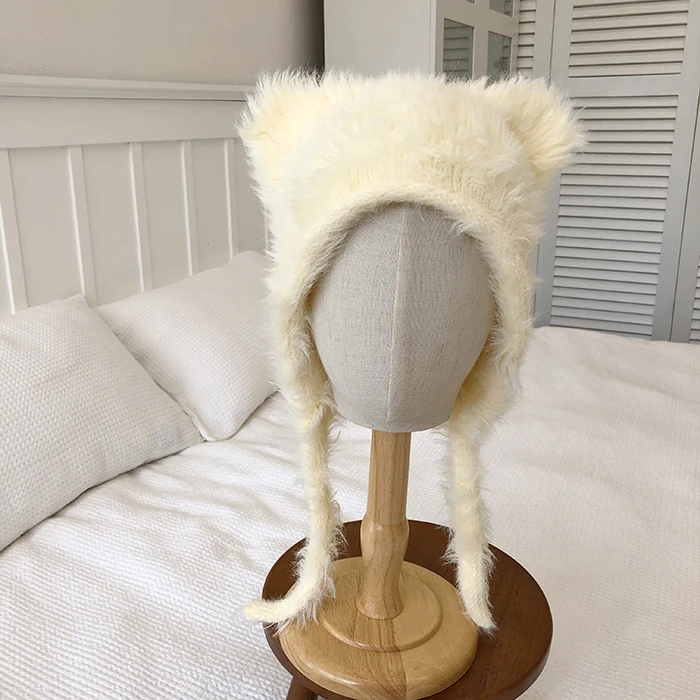
I also tried the New Halloween Winter Plush Cute Cat Ear Beanies Women Fluffy Pullover Hats Korean Ear Protection Strap Knitting Hat with Earflap from Wholecustomdesign. It is very cute and keeps me warm when I'm outside.
One day I was searching on Wholecustomdesign, and I saw the New Halloween Winter Plush Cute Cat Ear Beanies Women Fluffy Pullover Hats Korean Ear Protection Strap Knitting Hat with Earflap yellow-54-58cm. It's adorable and surprisingly warm. The ear flaps provide extra protection, and the plush lining feels great against my skin. It’s perfect for those days when I want to stay cozy and cute!
Here are some practical tips I've learned along the way: